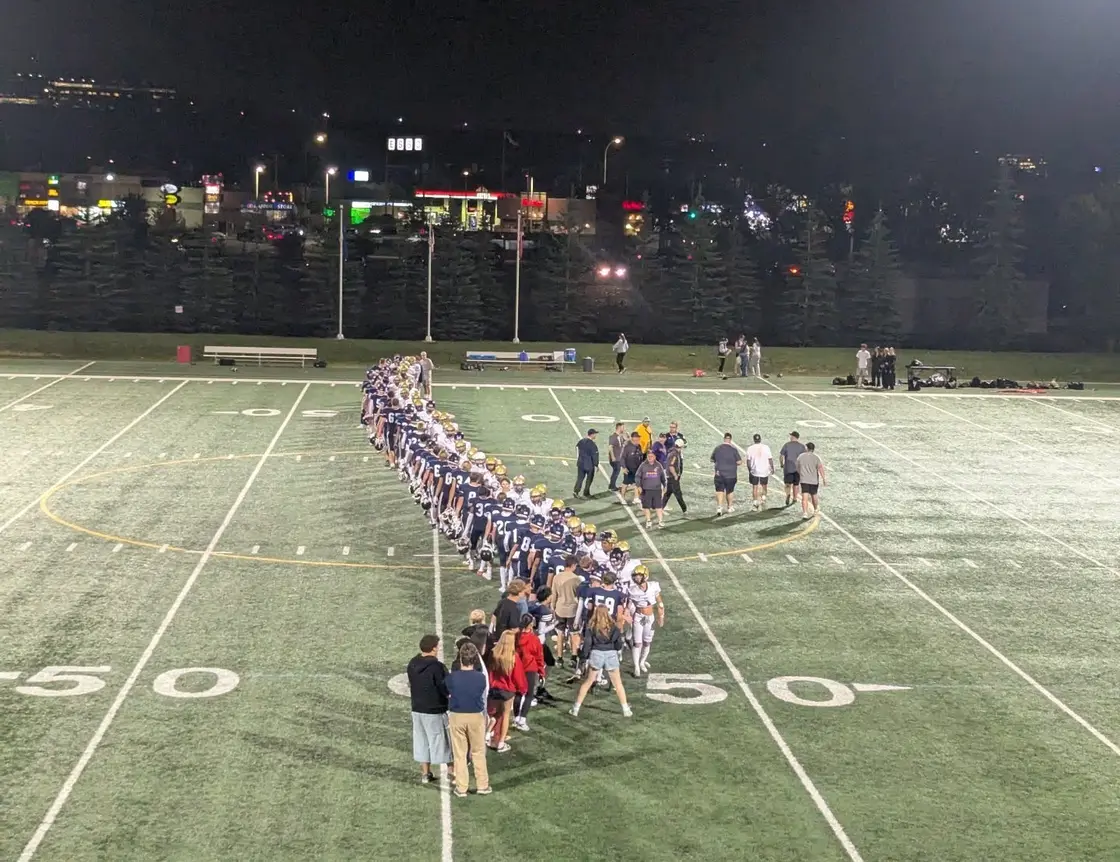

Many high performers experience identity foreclosure
— when a role (athlete, leader, achiever) becomes the entire sense of self. This often develops early, especially when:
• Success is rewarded quickly
• Identity is praised more than effort
• Exploration outside the role feels risky
The danger isn’t commitment; it’s collapse when the role is threatened by injury, transition, or change.
Core identity is broader than any role. Performance should express identity, not contain it.
The nervous system is always scanning for safety — a process called neuroception.
When identity is tied to performance, mistakes register as threat, not feedback. This activates:
• Fight (over-efforting)
• Flight (avoidance)
• Freeze (overthinking, shutdown)
Peak performance requires felt safety, not pressure. When self-worth is stable, the nervous system stays regulated, allowing focus, adaptability, and recovery. Calm isn’t the enemy of excellence. It’s the condition that allows it.
Under stress, the brain relies on self-schemas — core beliefs about who you are.
If your self-schema says: “I’m only valuable when I succeed,” pressure increases cognitive load and narrows focus. But when identity is stable, the brain conserves energy for:
• Decision-making
• Adaptability
• Creativity
• Precision
Clarity of self reduces mental noise. The clearer your identity, the less pressure hijacks performance.
The Spotlight Effect
High performers are especially vulnerable to the spotlight effect — the tendency to overestimate how much others notice our mistakes, performance, or appearance. Under pressure, the brain assumes:
• Everyone saw that error
• This moment defines me
• I’ve lost credibility
In reality, most people are focused on their own performance, not yours. When identity is fused with performance, the spotlight feels brighter, and mistakes feel bigger than they are. Separating who you are from what happened helps you stay present, recover faster, and perform with clarity.
The spotlight isn’t as fixed on you as it feels.
What can you do
The Spotlight Effect Reset (30–60 seconds)
Step 1: Name the bias
Silently say: “This is the spotlight effect.”
Labelling it reduces the brain’s threat response.
Step 2: Reality check (one question)
Ask yourself: “What would I notice if someone else made this mistake?”
Almost always, not much, or you’d move on quickly.
Step 3: Shift attention outward
Gently redirect focus to:
The next play
The next sentence
Your breath + physical cue (feet, hands, posture)
This tells the nervous system: I’m safe to continue.
Step 4: Identity anchor (one sentence)
Internally say: “This moment is data, not a definition.”
That phrase directly separates identity from performance.
Why this works:
Naming the bias engages the prefrontal cortex
Attention shifting reduces self-focused rumination
Identity anchoring calms threat-based self-evaluation
The nervous system exits “social danger” mode